


Hair loss and thinning hair are common concerns that affect both men and women. Many people struggle with receding hairlines or thinning hair, which can impact their confidence and self-esteem. Fortunately, advancements in medical technology have introduced effective solutions, one of which is PRP hair treatment. This procedure has gained popularity for its ability to naturally stimulate hair growth and improve hair density. In this article, we will explore how PRP hair treatment works, its benefits, and what to expect during the process.
Understanding PRP Hair Treatment
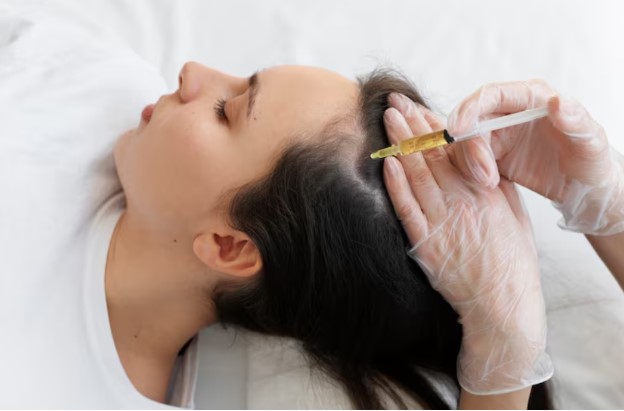
PRP stands for Platelet-Rich Plasma, a component of your own blood that is rich in growth factors. These growth factors are essential for repairing tissues and stimulating cell regeneration. In PRP hair treatment, a small amount of your blood is drawn and then processed to concentrate the platelets. This platelet-rich plasma is then carefully injected into areas of the scalp where hair is thinning or a receding hairline is noticeable. The growth factors in PRP help activate dormant hair follicles and encourage healthy hair growth, making it a natural and safe approach to improving hair density.
How PRP Hair Treatment Stimulates Hair Growth
The main mechanism of PRP hair treatment is the activation of hair follicles. When PRP is injected into the scalp, it delivers a concentrated dose of growth factors directly to the hair roots. These growth factors stimulate the follicles, improving blood supply and nutrient delivery. Over time, the treated follicles become stronger, healthier, and more active, resulting in thicker and fuller hair. The process not only promotes new hair growth but also strengthens existing hair, reducing hair breakage and shedding.
The Benefits of PRP Hair Treatment
PRP hair treatment offers several advantages for people dealing with hair thinning or a receding hairline. One of the key benefits is that it is a non-surgical procedure, meaning there is minimal downtime and no need for invasive surgery. It is also a natural treatment since it uses your own blood, reducing the risk of allergic reactions or complications. Many patients notice improvements in hair thickness, texture, and overall health after a series of PRP sessions. Additionally, PRP hair treatment can be combined with other hair restoration methods, such as hair transplants or topical therapies, to enhance overall results.
What to Expect During the Procedure
A typical PRP hair treatment session is straightforward and usually takes about 45 to 60 minutes. The first step involves drawing a small amount of blood from your arm. This blood is then placed in a centrifuge, which separates the platelet-rich plasma from other components. Once prepared, the PRP is carefully injected into targeted areas of the scalp. Most patients experience minimal discomfort, often described as a mild tingling or pricking sensation during the injections. After the procedure, you can usually return to your normal activities immediately, though some mild redness or tenderness in the treated areas may occur temporarily.
Results and Follow-Up
The effects of PRP hair treatment are gradual and become more noticeable over several months. Typically, patients require multiple sessions spaced a few weeks apart to achieve optimal results. Hair growth may initially appear as finer hair, which gradually thickens and strengthens with each session. Follow-up appointments help monitor progress and determine whether additional treatments are needed. Consistent care and proper scalp maintenance, including a healthy diet and avoiding harsh chemical treatments, can further enhance the outcomes of PRP hair treatment.
Who Can Benefit from PRP Hair Treatment
PRP hair treatment is suitable for both men and women experiencing mild to moderate hair thinning, receding hairlines, or early stages of hair loss. It is particularly effective for individuals with androgenic alopecia, commonly known as male or female pattern baldness. However, it may not be as effective for people with extensive hair loss or complete baldness, as dormant follicles may no longer respond to treatment. Consulting with a qualified specialist is essential to determine whether PRP hair treatment is the right solution for your hair concerns.
Conclusion
PRP hair treatment has emerged as a safe and natural method for promoting hair growth and achieving a fuller, healthier hairline. By using the growth factors present in your own blood, this procedure stimulates dormant hair follicles, strengthens existing hair, and improves overall hair health. With minimal downtime and a non-surgical approach, PRP hair treatment is an effective option for those looking to restore confidence and enhance their appearance. If you are struggling with thinning hair or a receding hairline, PRP hair treatment could be the solution to help you regain a vibrant and natural-looking head of hair.