

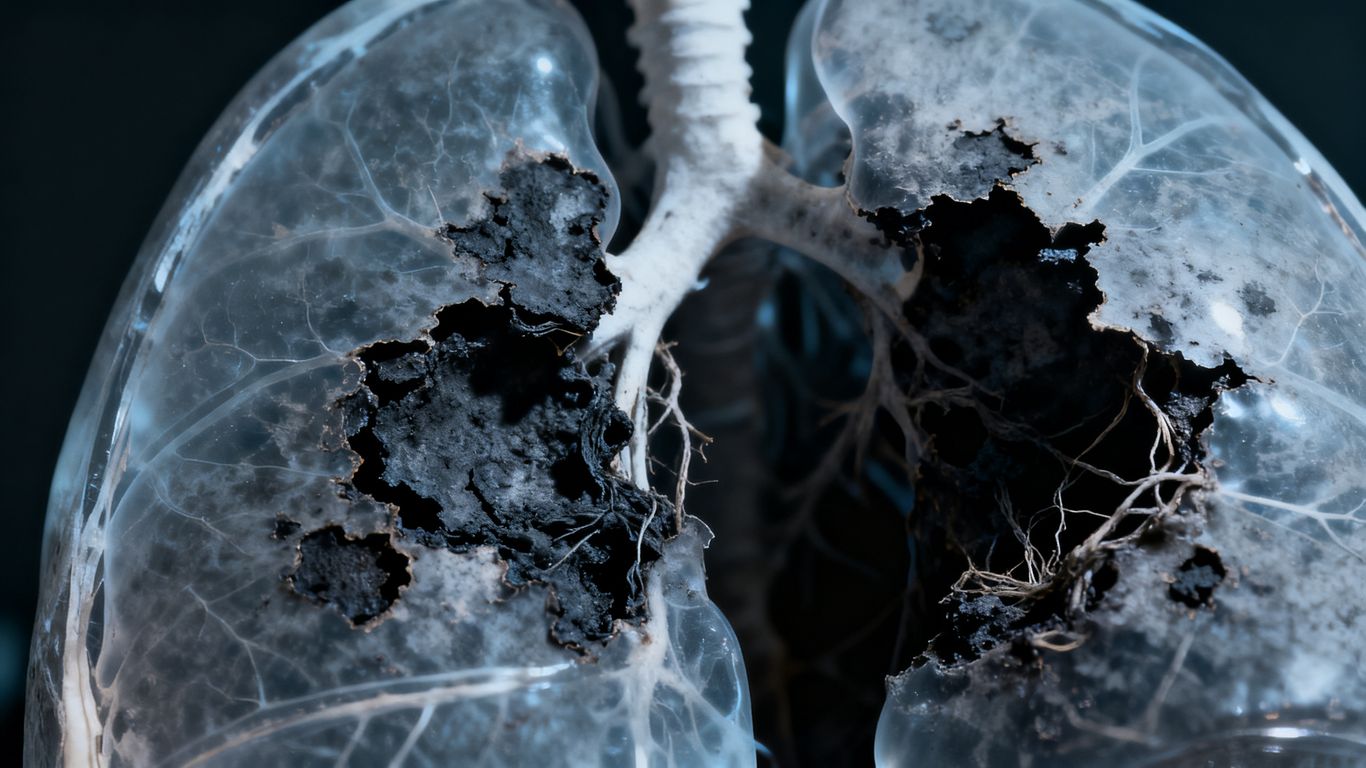

What Constitutes Asbestos-Related Lung Cancer?
Asbestos-related lung cancer refers to a type of cancer that develops in the lungs following the inhalation of asbestos fibers. These microscopic fibers can become lodged deep within the lung tissue, potentially leading to cellular changes over time. The tumors typically form within the airways or the small air sacs responsible for oxygen exchange. It’s important to note that the development of this cancer is not immediate; it usually takes many years, often decades, to manifest after initial exposure. The risk is also dose-dependent, meaning that the more asbestos fibers a person inhales and the longer the duration of exposure, the higher the likelihood of developing lung cancer.
Key Facts About Asbestos Lung Cancer
- Approximately 4% of lung cancers in the United States are linked to asbestos exposure.
- The risk of developing lung cancer is significantly amplified when asbestos exposure is combined with smoking, increasing the risk by about five times.
- Symptoms of asbestos-related lung cancer can take a considerable amount of time to appear, often between 15 to 35 years after the initial exposure.
- Smoking is a major factor that greatly increases the lung cancer risk for individuals who have been exposed to asbestos.
- Tumors associated with asbestos exposure most frequently occur in the upper lobes of the lungs. This pattern is thought to be related to how inhaled fibers settle and how air moves through the lungs. Early detection of tumors in these areas can help guide treatment decisions more effectively.
The Latency Period of Asbestos Lung Cancer
One of the most challenging aspects of asbestos-related lung diseases, including cancer, is the significant latency period. This refers to the long interval between the initial exposure to asbestos fibers and the appearance of symptoms or the diagnosis of the disease. For lung cancer specifically, this period can span 15 to 35 years, and sometimes even longer. This extended timeframe means that individuals may have had asbestos exposure many years prior, perhaps during past employment in industries like shipbuilding or construction, without experiencing any immediate health issues. The slow progression of cellular damage caused by the asbestos fibers is the reason for this prolonged latency. Understanding this delay is critical for both diagnosis and for public health awareness regarding the long-term consequences of asbestos exposure. If you have a history of working with asbestos, discussing screening options with your doctor is a good idea, even if you feel healthy. Asbestosis is another condition that can arise from asbestos exposure, also characterized by a long latency period.
The Pathogenesis of Asbestos-Induced Lung Cancer
How Asbestos Fibers Lead to Cellular Damage
When asbestos fibers are inhaled, they can travel deep into the lungs. These tiny, sharp particles don’t just sit there; they start to irritate the lung tissue. Over time, this constant irritation can lead to cell damage and even cell death. The body’s response to this damage is a key part of how cancer can develop. The fibers themselves can physically damage cell DNA, and they can also trigger a chain reaction within the cells. This process can lead to genetic changes that promote uncontrolled cell growth, a hallmark of cancer. It’s a slow process, often taking many years for these cellular changes to accumulate to a point where a tumor can form. The way these fibers interact with lung cells is complex, but the initial physical irritation and subsequent cellular damage are the first steps.
The Role of Inflammation and Fibrosis
Following the initial cellular damage caused by asbestos fibers, the body initiates an inflammatory response. This is a natural defense mechanism, but with asbestos, it becomes chronic. Immune cells are recruited to the site of the fibers, attempting to clear them. However, asbestos fibers are resistant to breakdown, leading to persistent inflammation. This ongoing inflammation can cause further damage to lung tissue and can also lead to fibrosis, which is the scarring of lung tissue. Scar tissue doesn’t function like healthy lung tissue, and this chronic scarring environment can create conditions that are more favorable for cancer development. The persistent cycle of inflammation and scarring is a significant factor in the progression from asbestos exposure to lung disease and potentially cancer. This environment can also interfere with the body’s ability to repair DNA damage, increasing the risk of mutations that lead to cancer. The body’s attempt to heal itself, in this case, inadvertently contributes to the problem.
Asbestos as a Significant Risk Factor
It’s well-established that asbestos exposure is a major risk factor for lung cancer. While other factors like smoking also play a role, asbestos exposure alone significantly increases a person’s risk. Studies have shown a clear link between the amount and duration of asbestos exposure and the likelihood of developing lung cancer. This is often referred to as a dose-response relationship. For individuals who have been exposed to asbestos, it’s important to be aware of this increased risk. Certain occupations have historically involved higher levels of asbestos exposure, including:
- Shipbuilding
- Construction and demolition
- Mining and manufacturing
- Firefighting
Recognizing these risks is the first step in prevention and early detection. The long latency period means that even past exposure can pose a risk years later. Understanding how asbestos causes harm helps us appreciate the importance of safety measures and medical monitoring for those who may have been exposed. The link between asbestos and lung cancer is a serious public health concern, and ongoing research continues to shed light on these mechanisms [eb9b].
Recognizing the Symptoms of Asbestos Lung Cancer
Common Symptoms of Asbestos-Related Lung Cancer
It can be challenging to identify asbestos-related lung cancer because its symptoms often mimic those of other respiratory conditions. The insidious nature of asbestos exposure means that symptoms may not appear for many years, sometimes decades, after initial contact with the fibers. This long latency period can make it difficult to connect current health issues with past exposures.
Common signs that may indicate asbestos-related lung cancer include:
- Persistent coughing, which might produce blood
- Chest pain that doesn’t go away
- Shortness of breath, even with minimal exertion
- Unexplained weight loss and loss of appetite
- Fatigue or weakness
- Hoarseness or wheezing
- Frequent respiratory infections
The Challenge of Delayed Diagnosis
The similarity of these symptoms to less severe conditions like pneumonia or even the common cold often leads to delayed diagnosis. Many individuals might not seek medical attention until their symptoms become severe or persistent. Furthermore, the development of asbestosis, a non-cancerous lung scarring condition, shares many of these symptoms, further complicating the diagnostic picture. This delay can be significant, as early detection is key to better treatment outcomes.
The Importance of Early Screening
For individuals with a history of asbestos exposure, particularly those who worked in industries where asbestos was common, regular medical check-ups and screenings are highly recommended. Even in the absence of noticeable symptoms, screening can help detect abnormalities in the lungs at an early stage. This proactive approach allows medical professionals to intervene sooner, potentially improving the prognosis and treatment options available. Discussing your occupational history with your doctor is a vital step in this process, as it can inform screening recommendations and diagnostic considerations. Early detection is paramount when dealing with asbestos-related diseases, and understanding the potential risks is the first step toward safeguarding your health. If you have concerns about past exposure, speaking with a healthcare provider about potential lung cancer screening is advisable.
Diagnosing Asbestos-Related Lung Cancer
Diagnosing lung cancer that is linked to asbestos exposure involves a careful, multi-step process. It’s not always straightforward because the symptoms can mimic other lung conditions, and the disease often takes many years to develop after exposure. Doctors need to gather a lot of information to make an accurate diagnosis.
The Diagnostic Process for Asbestos Lung Cancer
The first step usually involves a detailed discussion about your medical history and any potential exposure to asbestos. This is really important because knowing about past work environments or hobbies where asbestos might have been present can guide the diagnostic path. Doctors will ask about the duration and intensity of any known exposure. Following this, a series of medical tests are performed to look for signs of cancer and to assess its extent.
Imaging and Biopsy Procedures
Imaging tests are a cornerstone of diagnosis. These can include:
- Chest X-rays: These provide a basic view of the lungs and can reveal abnormalities like masses or fluid buildup. Chest X-rays can reveal fluid buildup around the lungs, which may be an indicator of the disease [cd44].
- CT Scans (Computed Tomography): These offer more detailed cross-sectional images of the lungs, allowing doctors to better visualize tumors and their location.
- PET Scans (Positron Emission Tomography): Often used in conjunction with CT scans, PET scans can help identify metabolically active areas, which are often indicative of cancer, and assess if the cancer has spread.
If imaging suggests a potential tumor, a biopsy is typically required for a definitive diagnosis. This involves obtaining a small sample of tissue from the suspicious area. Procedures like a bronchoscopy, where a thin tube with a camera is inserted into the airways, or a needle biopsy guided by imaging, can be used to collect this sample. Getting a tissue sample is the only way to confirm the presence of cancer cells.
Pathological Analysis for Confirmation
Once a tissue sample is obtained, it is sent to a pathologist for examination under a microscope. This pathological analysis is critical. The pathologist will determine if cancer cells are present, identify the specific type of lung cancer (such as non-small cell or small cell lung cancer), and assess the grade of the tumor. This detailed analysis helps doctors understand the nature of the cancer and plan the most appropriate treatment. Sometimes, specific markers or the presence of asbestos bodies within the tissue can further support a diagnosis of asbestos-related lung cancer [9430].
Types of Asbestos-Related Lung Cancer
When asbestos fibers find their way into the lungs, they can lead to different kinds of lung cancer. The two main categories that emerge from this exposure are Non-Small Cell Lung Cancer (NSCLC) and Small Cell Lung Cancer (SCLC). Understanding these distinctions is important for diagnosis and treatment planning.
Non-Small Cell Lung Cancer (NSCLC)
NSCLC is the more common type of lung cancer linked to asbestos exposure, making up a significant majority of cases. It generally grows and spreads more slowly compared to SCLC. Within NSCLC, there are several subtypes:
- Adenocarcinoma: This type often starts in the outer parts of the lung and can develop even in people who have never smoked. It’s the most frequent subtype seen in asbestos-related lung cancer.
- Squamous Cell Carcinoma: This subtype typically arises in the central airways of the lungs. It’s also strongly associated with asbestos exposure.
- Large Cell Carcinoma: This is a less common subtype that can appear anywhere in the lung and tends to grow and spread quickly.
The majority of asbestos-related lung cancers fall under the NSCLC umbrella. Identifying the specific subtype of NSCLC is key for determining the most effective treatment strategies, as outlined in lung cancer treatment information.
Small Cell Lung Cancer (SCLC)
SCLC is less common in asbestos-exposed individuals but is known for its aggressive nature. This type of cancer is characterized by small cells that look somewhat like oats under a microscope. SCLC tends to grow very rapidly and often spreads to other parts of the body early in its development. Because of its fast-growing nature, SCLC usually requires prompt and intensive treatment.
Distinguishing Between NSCLC and SCLC
The differences between NSCLC and SCLC are significant and impact how they are managed:
- Growth Rate: SCLC grows much faster than NSCLC.
- Spread: SCLC has a tendency to metastasize (spread) to distant parts of the body earlier than NSCLC.
- Cell Appearance: Under a microscope, SCLC cells are smaller and more uniform than the larger, more varied cells found in NSCLC.
- Treatment Approach: While both can be treated with chemotherapy and radiation, the specific protocols and the role of surgery often differ based on the type and stage of the cancer. For instance, SCLC is often treated systemically due to its tendency to spread quickly, whereas NSCLC might be managed with surgery if caught early and localized. Recognizing the signs of asbestos-related diseases is the first step toward seeking appropriate medical attention.
Factors Influencing Asbestos Lung Cancer Risk
The Impact of Smoking on Asbestos Exposure
It’s a well-known fact that smoking is a major risk factor for lung cancer. However, when combined with asbestos exposure, the danger escalates significantly. For individuals exposed to asbestos, smoking can multiply their risk of developing lung cancer by five times or even more. This synergistic effect means that the combined impact is far greater than the sum of its parts. It’s not just about adding risks; it’s about creating a much more potent pathway to disease. This interaction highlights why it’s so important for anyone with a history of asbestos exposure to avoid smoking altogether. The damage from asbestos fibers can already be setting the stage for cellular changes, and smoking introduces a powerful accelerant to that process. Understanding this interaction is key to appreciating the full scope of asbestos-related health concerns, especially when considering other environmental exposures like tobacco smoke.
Dose-Response Relationship of Asbestos Exposure
The amount and duration of asbestos exposure play a direct role in the likelihood of developing lung cancer. This is often referred to as a dose-response relationship. Simply put, the more asbestos fibers a person inhales, and the longer they are exposed, the higher their risk becomes. It’s not a simple on/off switch; rather, it’s a spectrum of risk that increases with cumulative exposure. Even low levels of exposure over extended periods can contribute to the development of disease, though higher and longer exposures generally lead to a more pronounced risk. This principle underscores the importance of minimizing exposure in any setting where asbestos might be present.
Occupational Groups at Higher Risk
Certain professions have historically involved a much higher likelihood of asbestos exposure, placing individuals in these fields at an increased risk for asbestos-related lung diseases. These groups often worked directly with materials containing asbestos or in environments where asbestos dust was prevalent. Some of the most commonly cited high-risk occupations include:
- Construction and Demolition Workers: Especially those involved in older buildings where asbestos insulation, tiles, and other materials were common.
- Shipyard Workers: Asbestos was widely used in shipbuilding for insulation and fireproofing.
- Miners: Particularly those who mined asbestos itself.
- Insulation Installers: Workers who handled and installed asbestos-containing insulation materials.
- Firefighters: Exposure can occur when fighting fires in buildings with asbestos materials.
- Veterans and Civilian Workers in Military Settings: Due to the extensive use of asbestos in military infrastructure and vehicles.
These occupations represent just a fraction of the potential exposure scenarios, but they illustrate the environments where vigilance and protective measures are most critical. Recognizing these risks is a vital step in preventing asbestos exposure and its serious health consequences.
Distinguishing Asbestos Lung Cancer from Mesothelioma
It’s pretty common for people to get confused between asbestos-related lung cancer and mesothelioma, and honestly, it’s understandable. Both stem from breathing in those nasty asbestos fibers, but they’re actually different diseases. Mesothelioma is a specific type of cancer that starts in the mesothelium, which is like a protective lining around your internal organs. The most common form, pleural mesothelioma, begins in the lining around the lungs. Because it affects this area, it can sometimes be mistaken for lung cancer.
Understanding Mesothelioma
Mesothelioma is a rare cancer. It develops in the mesothelium, a thin membrane that lines the chest cavity (pleura), abdominal cavity (peritoneum), and heart cavity (pericardium). While asbestos exposure is the primary cause, it’s important to remember that mesothelioma is not a form of lung cancer. It’s a distinct disease that originates in the lining, not the lung tissue itself.
Key Differences in Diagnosis and Treatment
While doctors use similar tests to diagnose both conditions, like imaging scans and biopsies, the way the cancers grow and how they’re treated can differ significantly. Asbestos-related lung cancer typically forms within the lung tissue itself, often in the airways or air sacs. Mesothelioma, on the other hand, grows along the lining of the lungs or chest cavity.
Here are some key distinctions:
- Origin: Lung cancer starts in the lung tissue; mesothelioma starts in the mesothelium (lining).
- Treatment Approaches: Treatment plans are tailored to the specific type and location of the cancer. Surgery, chemotherapy, and radiation might be used differently for each.
- Prognosis: While both are serious, the outlook can vary based on the type, stage, and individual factors.
Prevalence of Lung Cancer vs. Mesothelioma from Asbestos
It’s a fact that asbestos exposure causes more lung cancer in the United States than mesothelioma. While both are serious health concerns linked to asbestos, lung cancer diagnoses related to asbestos are significantly more common. In fact, asbestos exposure can increase your risk of lung cancer by about fifty times compared to just smoking. This means that while mesothelioma is a well-known asbestos-related disease, lung cancer is more frequently diagnosed in individuals with a history of asbestos exposure.