

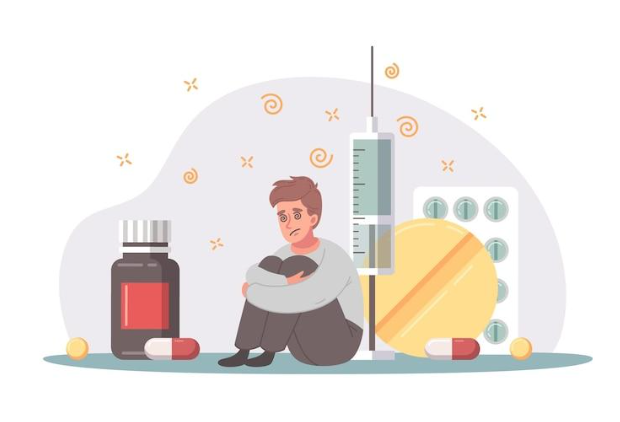

Fentanyl is a synthetic opioid used by some individuals to relieve pain and calm specific receptors in the nervous system. However, it can become highly addictive and dangerous when misused. Even a small dose can create a strong urge to take it repeatedly to achieve greater relief, which can lead a person to dangerous high doses. Individuals often become dependent mentally and physically, facing psychological challenges that affect their lives and relationships. To overcome this addiction, a person may need professional fentanyl treatment to recover from this harmful habit and return to a healthy life.
1. Fentanyl Treatment Supports Recovery
Fentanyl treatment helps individuals overcome addiction to this potent opioid through professional, personalized care plans. This process includes medical evaluation, counseling, and support to manage mental and physical symptoms and prevent relapse. Treatment programs may include behavioral therapy, medication-assisted treatment, and educational resources to help patients rebuild their health. Whether seeking help for oneself or a loved one, undergoing fentanyl treatment is a critical step toward recovery, offering professional guidance and continuous strategies to regain control of life successfully.
2. Physical Dependence and Withdrawal
Long-term use of fentanyl can lead to physical dependence. The body becomes accustomed to the drug, and stopping it may result in withdrawal symptoms such as nausea, muscle pain, anxiety, and intense cravings. Dependence is dangerous because individuals often ignore the severe consequences of fentanyl use. To live a safe and comfortable life, fentanyl treatment is crucial, as it provides medical supervision and structured plans to treat both physical and psychological dependence. Fentanyl detoxification programs help free individuals from the drug safely.
3. Mental Health and Emotional Struggles
Fentanyl addiction can cause significant mental health challenges, including depression and trauma. Extreme use can compromise mental well-being, and untreated issues can lead to severe psychological trauma or relapses. Therapists design tailored recovery plans to address both addiction and underlying mental health concerns. Fentanyl specialists, counselors, and psychiatrists work closely with the individual to manage emotions and reduce the urge to use the drug. They educate patients on the negative consequences of fentanyl, helping them regain emotional stability.
4. Life Disruption and Relationship Impact
Fentanyl addiction negatively affects daily life, work, school, and personal and professional relationships. It can isolate individuals from friends and family, creating a dark period in their lives. Loved ones also experience emotional and physical stress. Fentanyl treatment is vital for restoring a balanced life. Professionals educate patients about the dangers of fentanyl and guide them toward recovery. After treatment, individuals can rebuild connections and resume a healthy, fulfilling life.
5. Commitment to Lasting Recovery
Fentanyl addiction can make individuals forget their desire for a healthy, happy life, focusing instead on taking the drug repeatedly. Fentanyl treatment provides hope, teaching individuals to take control of their habits and care for themselves. Professional therapists improve health, strengthen relationships, and help patients return to work and normal life. This approach offers a lasting recovery option for many who are suffering from fentanyl addiction.